Back
Back
Afolabi Ezekiel - September 18, 2025
The 2025 summer transfer window will be remembered for more than just blockbuster signings and last-minute deals. It will be remembered as the window where rebellion reigned supreme. Players who forced their way out of clubs, through tantrums, ultimatums, or outright refusals to play, were rewarded with glamorous moves. Meanwhile, those who stayed calm and loyal discovered that football doesn’t always repay decency.
The starkest contrast? The fate of Crystal Palace captain Marc Guehi, whose professionalism cost him a dream switch to Liverpool, while the likes of Alexander Isak, Yoane Wissa, and Viktor Gyökeres secured big-money moves by rocking the boat.
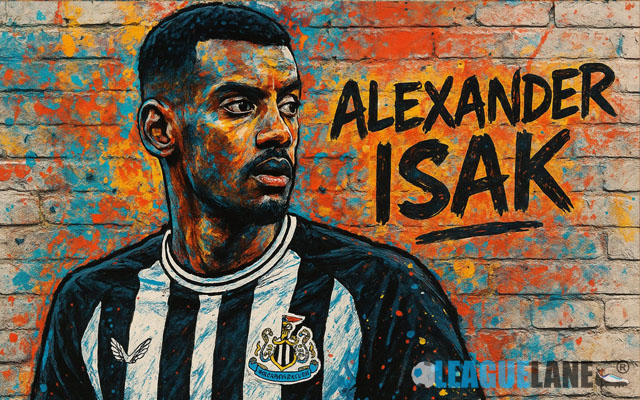
Few sagas epitomized this summer’s mood like Alexander Isak’s. The Swedish striker made it clear he wanted out of Newcastle, refusing to play and effectively downing tools to force through a move to Liverpool. The strategy was risky, alienating fans and undermining his club, but it worked.
Newcastle, already wary of breaching financial regulations, reluctantly sanctioned his departure. Isak got his wish, swapping Tyneside for Merseyside, joining a Liverpool side that wanted him badly enough to endure the drama. His refusal to play was condemned by some, but ultimately, it was rewarded.
Yoane Wissa’s standoff with Brentford was another case study in how rebellion pays. When Newcastle’s bids were rejected, Wissa took the nuclear option which was releasing a public statement on social media. In it, he accused Brentford of going back on their word and blocking his “fair” exit despite promises.
“I believe the club are unduly standing in my way,” he wrote, painting himself as the wronged party while making his desire to leave crystal clear. The post created a storm, put Brentford under public pressure, and within days he got his move to St. James’ Park.
For four years, Wissa had been a model professional at Brentford. But in the end, it was the one rebellious act, a dramatic public outcry, that sealed his escape.
In Portugal, Viktor Gyökeres employed another classic tactic: refusing to turn up for training at Sporting CP. His absence wasn’t accidental; it was a deliberate ploy to push through a move to Arsenal.
Sporting initially held firm, but Gyökeres’ strike destabilised the dressing room and undermined the club’s preparations. Eventually, the pressure became too much, and Arsenal swooped in to secure the forward. Gyökeres got the move he craved, while Sporting were left scrambling.
These three cases had one thing in common, rebellion paid. Whether through sulking, statements, or outright strikes, the players who fought their clubs left with new contracts, bigger stages, and enhanced reputations.
And then there was Marc Guehi.
The England international did everything right. He trained, he played, he even scored a wonder goal against Aston Villa days before deadline day. He captained Crystal Palace with dignity, spoke respectfully about the club in interviews, and avoided drama despite knowing Liverpool were circling.
Behind the scenes, Liverpool and Palace reached an agreement. A £35 million fee was set, personal terms were agreed, and Guehi even completed part of his medical. For a brief moment, it looked like he was about to pull on the famous red shirt.
But then came the collapse. Palace failed to sign a replacement, with Igor Julio slipping away to West Ham. Manager Oliver Glasner dug his heels in, insisting it would be “madness” to lose his captain without cover. Steve Parish, the chairman, reluctantly sided with him, pulling the plug at the last second.
The cruel twist? Guehi’s loyalty gave Palace the confidence to block the deal. Unlike Isak, Wissa, or Gyökeres, Guehi never downed tools, never complained, never rebelled. Palace knew he wouldn’t sulk if the move collapsed. His professionalism, ironically, became his prison.
Timing, Power, and the Harsh Realities
Liverpool’s timing didn’t help. They waited until late August to submit a formal bid, believing Palace would eventually cave. Had they acted earlier in the summer, Guehi might already be in their defence. Instead, their gamble failed, leaving Guehi stranded.
But the broader reality is about power dynamics in modern football. Clubs talk about loyalty, professionalism, and respect, but when push comes to shove, players who create chaos are harder to ignore. Isak refusing to play forced Newcastle’s hand. Wissa’s statement created bad headlines for Brentford. Gyökeres’ strike made Sporting’s position untenable.
Guehi, meanwhile, gave Palace no such headaches. He left them free to prioritise their needs over his. That selflessness cost him the move he wanted most.
The Contradiction of Loyalty in Football
Football loves to market loyalty. Clubs celebrate “one-club men,” fans demand commitment, and managers talk endlessly about professionalism. But the Guehi saga exposes a contradiction, loyalty is rarely rewarded when it matters most.
For Palace, the choice was simple. Keep a loyal, non-rebellious captain who wouldn’t kick up a fuss, or sell him and risk chaos. For Liverpool, Guehi’s calm meant there was no urgency, no competition, no headlines, no ticking time bomb. Everyone played their cards slowly, and Guehi paid the price.
Compare that to Wissa. Brentford might have wanted to keep him, but his public statement changed the game. Suddenly, they looked like the unreasonable party. The optics mattered. Selling him became the easiest way out.
In short, rebellion creates leverage, loyalty creates vulnerability.
All is not lost for Guehi. His contract expires next summer, and unless he signs a new deal, which looks unlikely, he will be free to choose his next club. Liverpool are expected to return, and other top European sides will circle, knowing they can land a proven England international for nothing.
Palace will hope for a change of heart, perhaps inserting a release clause into a new contract. But Guehi holds the cards now. He can play out the season, boost his stock further, and walk away with freedom.
In the meantime, his professionalism means he’ll continue captaining Palace, leading from the back, and preparing for the World Cup. He will emerge stronger, but the sting of this summer will remain.
The 2025 transfer window was a brutal reminder of football’s realpolitik. For all the talk of honour and professionalism, the game increasingly rewards disruption. Isak refused to play and landed at Liverpool, Wissa went public and forced Brentford’s hand, Gyökeres skipped training and walked into Arsenal’s attack, Guehi stayed calm and saw his dream move collapse.
The message is uncomfortable but clear, loyalty doesn’t always pay. In fact, in today’s football economy, it can actively work against you. Clubs know they can lean on loyal players without fear. But those who rebel create crises that demand resolution.
For Guehi, the summer of 2025 will go down as the one where his professionalism left him empty-handed. But for the sport, it was another step in a long trend, the era of rebellion, where those who shout loudest, sulk longest, or storm out first, end up getting exactly what they want.