Back
Back
Afolabi Ezekiel - May 28, 2025
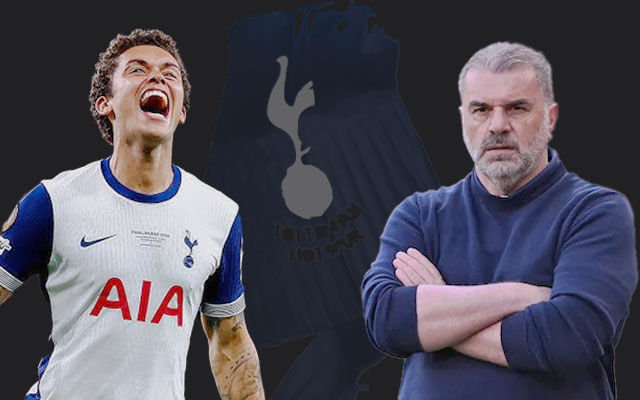
It was an evening that started like any other, but as the clock ticked past 6.40pm at Tottenham Hotspur Stadium, the atmosphere shifted dramatically. The usual chants of support were replaced by one resounding name “Ange Postecoglou”.
Surrounded by his players, their families, and club legends, he stood in front of the South Stand, as the crowd erupted in a chorus of appreciation that seemed to reverberate through the very foundations of the stadium. It wasn’t just the culmination of a trophy win, it was a moment of vindication, marking the pinnacle of a season that had seemed doomed at several points.
What followed was nothing short of a historic celebration. The stadium, packed with fans and brimming with anticipation, saw Postecoglou embrace club icons like Ossie Ardiles and Steve Perryman, further underlining the significance of his achievement.
The Europa League trophy, lifted in Bilbao just days earlier, now symbolized more than just success on the European stage, it represented a shift in culture, a rebirth of Tottenham’s identity. The mood had changed overnight. This was more than just a final whistle celebration; it was the beginning of a new chapter for Spurs.
Ange Postecoglou’s tenure at Tottenham was always going to be a delicate balancing act. Initially, there were many skeptics. His appointment in the summer was greeted with cautious optimism, but few had any real expectation that Spurs, a club so ingrained in a culture of near-success and missed opportunities, could turn things around. The early part of the season proved to be turbulent, with results fluctuating between highs and devastating lows.
By mid-season, when Spurs suffered humiliating defeats to teams like Liverpool and Everton, the calls for Postecoglou’s departure grew louder. The manager’s relationship with sections of the fanbase seemed to be crumbling, and many felt that the honeymoon period was over. The famous ear-cupping incident at Stamford Bridge only served to underline the sense of disconnect between Postecoglou and the supporters. But as the season progressed, something remarkable happened, the team started to gel.
The victory in Bilbao changed everything. Postecoglou, once a target of frustration, became the face of Tottenham’s transformation. His name, once shouted in frustration, was now shouted in adoration. The South Stand’s chants became a testament to how far he had come, and how much he meant to this club. It wasn’t just the trophy that mattered, it was the way he had brought the club together, uniting players, staff, and fans in a collective purpose.
For decades, Tottenham Hotspur has lived in the shadows of “what could have been.” The club’s rich history has been marked by near-misses, brilliant teams that couldn’t quite reach the summit. From the dazzling football under Harry Redknapp to the high-flying days of Mauricio Pochettino, there was always the sense that Spurs were just a few steps away from greatness. But each season brought a new chapter of frustration. The League Cup win in 2008 felt like a distant dream by the time 2019’s Champions League final rolled around, only for Spurs to fall agonizingly short.
The opening of the new stadium in 2019 was supposed to usher in a new era of success, but it ended up highlighting just how far Spurs still were from breaking their cycle of near-misses. The dream of winning a major trophy seemed perpetually out of reach. Yet, Postecoglou’s arrival signaled the end of that era. His approach was bold and unflinching. While the league results weren’t always ideal, he prioritized a long-term vision, and his decision to focus on the Europa League paid off spectacularly.
The Europa League victory in Bilbao was more than just a cup win; it was a statement. Tottenham weren’t just participating in European football. They were winning on the big stage again. That victory didn’t just silence the doubters; it ended the narrative of being a team that always finished second. Postecoglou’s win represents more than a singular achievement. It signifies the end of Spurs’ identity as perennial underachievers.
The shift in Tottenham’s culture was palpable in the days following the Europa League victory. It wasn’t just the glitzy “Europa League Winners” banners and merchandise stands lining the High Road. It was the mood in the streets, the conversations at the pubs, and the sense of shared pride that echoed across the city. Tottenham had finally delivered the elusive trophy, but it was more than just about that moment, it was about the emotional weight of years of frustration finally being lifted.
For a club that had so often been defined by its failures, from near-league wins to finals losses, this was a transformative moment. The mood had shifted from one of resentment and fatigue to collective euphoria. The Tottenham fanbase, once divided between those who criticized the ownership and management and those who supported it, had united. The feeling that a dark chapter had ended, and a new one had begun, was pervasive.
Postecoglou wasn’t just celebrated as a successful manager; he became the architect of this change. His tactics, his leadership, and his commitment to his philosophy were now inseparable from Tottenham’s identity. The very fabric of the club had been rewoven in just a matter of months. And it wasn’t just about what Postecoglou had achieved on the pitch, it was about how he had inspired a complete cultural shift at Spurs
The Europa League might not carry the same global prestige as the Champions League, but for Tottenham Hotspur, it was an achievement that transcended the usual discussions about which cup is bigger than the other. For Spurs, it was a mark of true progress, a vindication of the club’s direction under Postecoglou.
The significance of the victory isn’t just in the silverware itself, but in the timing. Tottenham had waited over 15 years for a trophy of this magnitude. And just as they were on the verge of another summer of upheaval, Postecoglou delivered the club’s first European title in over a decade. It was more than just a trophy; it was a breakthrough moment. Spurs had always been a club on the brink of greatness but never quite crossing the line. Now, that was no longer the case. The mood was no longer about what could have been but about what now lies ahead.
Despite the euphoria surrounding the Europa League win, it’s impossible to ignore Tottenham’s dismal league form. With 22 defeats in a 38-game season, the league campaign was a painful reminder of the challenges that still lie ahead for Postecoglou and Spurs. The fact that he prioritized the Europa League might have been a contributing factor, but it doesn’t take away from the league’s undeniable struggles.
While Postecoglou’s tactical decisions and style of play had many positives, the team often seemed incapable of translating their performances into consistent league results. The squad, lacking depth, struggled to juggle the demands of multiple competitions. The defeat to Brighton in the final league game of the season was an unfortunate reminder of the challenges Spurs face in balancing domestic and European commitments.
If Postecoglou is to continue his journey at Spurs, there’s no doubt that improvements are needed. The squad will need reinforcements, particularly in key areas, if they are to maintain their competitiveness in both the league and the Champions League next season.
Daniel Levy’s tenure as Tottenham’s chairman has been marked by tough decisions, particularly when it comes to the managerial position. He’s overseen 13 managerial changes in his time at the helm, and each one has been driven by a desire to find the perfect leader for the club. The question now is whether Postecoglou, despite the triumph, should be allowed to continue.
On one hand, it might seem logical to seek a change, especially considering Spurs’ dismal league form. There are options like Thomas Frank or Marco Silva, managers with Premier League experience who could tighten up the team’s defense and bring consistency. But that would be a decision based purely on short-term logic. The long-term question is whether Spurs are ready to start again from scratch, or whether they should build on the foundation Postecoglou has begun laying.
The dilemma facing Levy is significant. Sacking Postecoglou would not only risk alienating a fanbase that is currently united but could also undermine the momentum that Spurs have gained. It would be an enormous gamble that could set the club back years.
Postecoglou’s influence goes beyond tactics or results. He has changed the very way Tottenham is perceived. From being a club synonymous with frustration, they are now a team that has rekindled hope and ambition. The connection between manager and fanbase has never been stronger, and that bond is the bedrock on which future success will be built.
Where once there was skepticism, there is now belief. Where once there was division, there is now unity. Postecoglou has done what many thought impossible, he has given Spurs fans a reason to dream again.
The idea of sacking a manager after winning a trophy is always a difficult one. Yet, in some cases, it can be justified as seen with Erik ten Hag at Manchester United last year. However, Postecoglou’s situation is different. Tottenham’s Europa League win was not just another domestic cup; it was a symbol of progress, of breaking free from the past.
Moreover, the support Postecoglou enjoys within the dressing room is far stronger than Ten Hag’s at Manchester United last season. His bond with the players, his leadership style, and his ability to get the best out of his squad is what truly sets him apart.
Choosing to start over now, after everything that has been achieved, would be a step backward for Tottenham. The club finally feels like it is on the right path, Postecoglou has instilled a winning mentality and united the fans and players. To throw all of that away now would risk the club’s future, potentially undoing all the hard work that has been done.
Rather than resetting, Spurs should focus on building on this moment. Postecoglou has shown that he can turn the tide. He has earned the right to continue.
As Postecoglou heads off on holiday, he knows that his future remains uncertain. But what he has done for Tottenham is undeniable. He has delivered the club’s first European title in over a decade, revitalized the fanbase, and brought a sense of pride that had long been absent.
Sacking him now, after everything that has been achieved, would be more than just a managerial decision. It would be a misstep, one that could set Tottenham back years. Postecoglou has proven his worth. It’s time for Spurs to build on this victory, not start over again.