Back
Back
Steffen Schmidt - September 11, 2025
What was once just a pastime for a small circle of gamers has grown into a global spectacle. Tournaments fill arenas, live streams attract millions, and sponsors line up to be seen. eSports is no longer a subculture — it is a mainstream business and a magnet for investors. Its close link with iGaming makes this partnership especially powerful. Platforms that combine interactive play with traditional gaming, where you can find Mancala games online, illustrate how the two markets blend seamlessly.
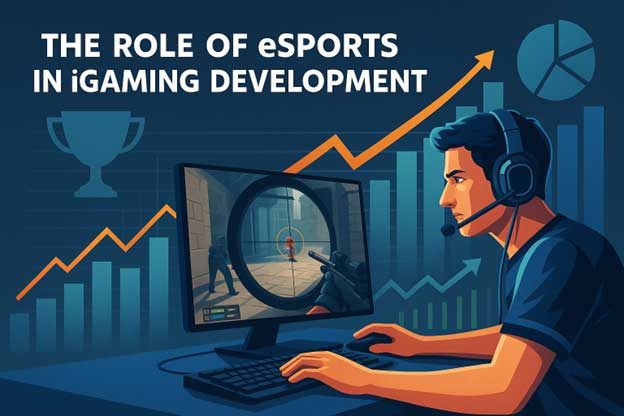
Fans no longer sit back quietly. They interact, send comments in real time, and follow teams like loyal supporters. This level of engagement has drawn broadcasters, sponsors, and investors in droves. Numbers prove the point: industry revenues topped 1.5 billion USD in 2022 and analysts expect them to double by 2027. Such momentum naturally pulls eSports closer to the iGaming sector.
Both markets rely on the same tools — fast connections, live streaming, cloud servers, and secure digital payments. Streaming platforms have turned competitive gaming into a prime-time experience for millions. These same systems support iGaming, so it is hardly surprising that the two sectors often develop side by side.
Money flows in from sponsorships, digital sales, ads, and tickets. When combined with iGaming tournaments, engagement grows even further.
Growth brings work. Developers, security experts, marketers, and event managers all find career paths here. Cybersecurity is especially important because of the heavy use of online transactions.
The market is shaping payment habits. Cards remain trusted, but wallets and mobile money are now everyday tools. Crypto also plays a growing role. Statista projects gaming-related payments could reach 15 trillion USD globally by 2030, a staggering figure that shows how central this sector has become.
| Payment Type | Popularity in eSports | Popularity in iGaming | Notes |
| Credit/Debit Cards | 60% | 70% | Long-established choice |
| Digital Wallets | 45% | 65% | Fast and simple |
| Cryptocurrencies | 20% | 35% | Borderless transactions |
| Mobile Payments | 35% | 50% | Driven by smartphones |
Streaming is now central. Fans treat players like sports celebrities, and their loyalty creates value for both sectors. Digital sports are now entertainment blockbusters, drawing in audiences on par with major leagues.
Money continues to flow into infrastructure, content, and branding. Sponsorship deals grow larger each year. This creates a loop — capital fuels growth, growth attracts more capital.
Some regions expand thanks to mobile adoption, others due to strong regulation and sponsorship. Each has its own story, but the trend is upward almost everywhere.
| Region | Growth Driver | Forecast 2023–2027 |
| Asia-Pacific | Mobile focus | 12% CAGR |
| Europe | Regulation and sponsors | 8% CAGR |
| North America | Media rights, streaming | 9% CAGR |
| Latin America | Smartphone adoption | 11% CAGR |
| Africa | Mobile money | 10% CAGR |
The line between eSports and iGaming grows thinner each year. Shared technology, passionate audiences, and continuous investment make them part of the same ecosystem. The future promises deeper integration, higher revenues, and even more global attention.