Back
Back
Afolabi Ezekiel - August 29, 2025
The dawn of a new Premier League season is meant to ignite optimism, a time for fresh starts, new signings, and renewed belief. For Manchester United, however, the 2025/26 campaign has instead brought haunting echoes of old frustrations, similar to how players often revisit online casinos not on GamStop when seeking a different experience from mainstream platforms
The Red Devils stumbled out of the gates, losing to Arsenal, failing to beat Fulham despite long spells of dominance, and suffering the ultimate humiliation of crashing out of the Carabao Cup to League Two Grimsby Town.
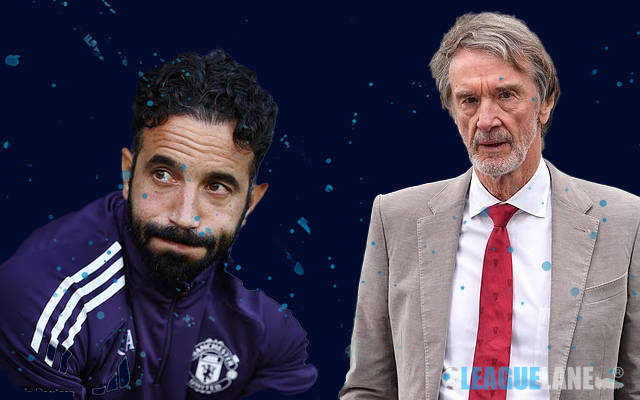
What was meant to be a rebirth under Ruben Amorim now feels like a continuation of decline. The optimism that accompanied Sir Jim Ratcliffe’s promises of restructuring and Amorim’s bold arrival has been overshadowed by poor results and growing disillusionment.
For supporters, it feels as though every new season reopens scars that never had the chance to heal. The question lingers painfully, is this just another dip, or has Manchester United truly lost its way?
No position embodies United’s fragility more than the goalkeeper’s role. Andre Onana, signed to be a commanding presence and ball-playing option, has often looked overwhelmed by the expectations that come with the shirt. His deputy, Altay Bayindir, has also struggled, particularly with aerial duels and physical set-piece situations. Instead of stability, the position has bred uncertainty, sending nervous ripples through the backline.
The consequences are clear, defenders hesitate, confidence collapses, and opponents sense weakness. United, once synonymous with defensive resilience, now find themselves undone by the most basic of threats, a floated cross, a poorly defended corner, a momentary lapse in concentration. Until the goalkeeping issue is solved, Amorim’s side will continue to look vulnerable, no matter how well the rest of the team performs.
Despite the chaos, there are glimpses of promise. Benjamin Sesko, although yet to establish himself fully, has shown the raw qualities of a striker capable of leading United’s line for years to come. His physicality, movement, and work rate offer a refreshing change, even if his finishing remains inconsistent.
Mason Mount, another figure under pressure to justify his place, has provided flashes of energy and tactical discipline. His willingness to press, recycle possession, and knit together attacking moves has made United’s midfield look sharper compared to last season. Against Fulham, the Red Devils controlled some stretches of the game, pressing intelligently and creating half-chances.
But that remains the great frustration, dominance without end product. Whether it’s a missed penalty, a heavy final pass, or simply poor composure in front of goal, United consistently fail to convert their brighter moments into tangible results. For a team that once built its identity on ruthless attacking football, the lack of killer instinct is a painful reminder of how far the standards have fallen.
Ruben Amorim’s arrival was meant to herald change, a new voice, a modern philosophy, and a refreshing honesty. At first, fans warmed to his directness and the belief that he was building something long-term. Yet already, his press conferences have begun to reflect frustration and disillusionment.
After the embarrassing defeat to Grimsby, Amorim did not hide behind excuses. Instead, he openly admitted that his players “spoke really loudly about what they want today.” It was less a tactical admission and more a confession that the squad’s mentality was in question. Unlike other managers who might shield their players, Amorim allowed his despair to show, and that vulnerability resonated with supporters.
Still, his honesty cuts both ways. If the players are not responding to him, if his messages are failing to translate into performances, then the responsibility will inevitably shift to him. Already, whispers about his suitability for a club of United’s size have surfaced. Amorim’s challenge is no longer just tactical, it is psychological, cultural, and deeply personal.
Over the summer, hope had genuinely flickered. New signings, boardroom changes, and Amorim’s ambitious words created a sense that Manchester United were finally on the right path. The horrors of finishing 15th last season were meant to be lessons learned, not foundations for more suffering. Yet three weeks in, the cracks are wider than before.
United’s rebuilding has too often felt like wallpaper over rotting walls. Big-money signings come and go, projects are announced, and optimism is sold to fans, but the product on the pitch never aligns. The promise of rebirth rings hollow when a club of United’s stature is beaten by Grimsby Town, a result that will be etched in infamy, alongside other recent embarrassments.
The identity crisis is what hurts most. Against Arsenal, United fought bravely but lacked the precision to finish. Against Fulham, they controlled the ball but failed to land the knockout blow. Against Grimsby, they simply lacked pride. Each game told a different story, but all pointed to the same conclusion, this is a team unsure of who it is.
Are United still a global superpower capable of competing at the very top? Or are they just another club with big names but little direction? Until the club defines its identity, either tactically, culturally, and emotionally, the cycle of disappointment will persist.
Above all, it is the fans who suffer most. Loyal, passionate, and unwavering in their support, they have endured over a decade of false dawns and broken promises. The terraces at Old Trafford still roar with pride, but behind that roar lies pain, frustration, and a longing for the glory days.
United fans have been asked to be patient, to trust in rebuilds, to give managers time, to wait for the “process.” But patience runs thin when failure becomes routine. Their loyalty is tested every week, not by rivals mocking them, but by their own club failing to meet even the basic expectations of fight, commitment, and consistency.
And yet, football has a way of turning despair into hope quickly. A winning streak, a young star catching fire, or a statement victory could lift spirits overnight. Benjamin Sesko could emerge as the talisman United have long craved. Amorim could spark a reaction that silences doubters. Sir Jim Ratcliffe might finally enforce structural changes that set the club on a sustainable path.
The journey is not over, but it is perilously close to veering off track. Manchester United must decide, urgently, who they are and where they are heading. For now, though, they remain a fallen empire, wounded, divided, and searching desperately for their soul.