Back
Back
Samuel - November 20, 2024
The commencement of the 2024/25 season saw a substantial change in match scheduling, with the inclusion of more fixtures spanning across several competitions.
The new Champions League format increased the number of games played from 125 to 189, which also applied to the Europa League competition also.
The 2024/25 season marks the first change to the Champions League format in twenty-one years, with the eventual finalist playing fifteen or seventeen games depending on their finish in the League phase.
The new Champions League and Club World Cup structure, together with international tournaments in between seasons. This dramatically increased the number of games that major teams across Europe’s prominent League will encounter, which has an impact on the players.
Going forward, with these new formats added to the overall number of matches played across all competitions. The most elite club will play an average of fifty-five to sixty-one matches in a season.
These considerable increase in the number of games is taking a toll on the players, with the number of injuries soaring in comparison to the past seasons.
Therefore, we will explore how the hectic football calendar affects and contributes to injury crises among professional players.
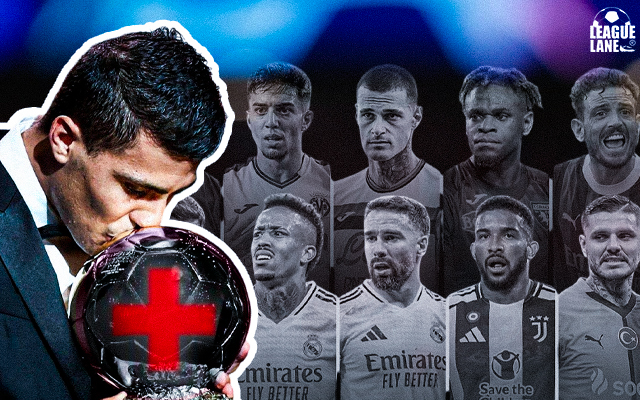
The 2024 Ballon D’Or winner Rodri was one of the first players to speak out against the new season’s packed football schedule. He criticized this as unsustainable and warning that players may refuse to play by going on strike.
Barcelona defender Jules Kounde expressed his discontent with the new football calendar, describing it as chaotic and overloaded with matches that will have a negative impact on players.
Real Madrid and Spain defender Dani Carvajal also criticized the congested match schedule, arguing that the players cannot perform at a high level if they play every three days with no major downtime to recharge their bodies.
Manchester City boss Pep Guardiola and Chelsea manager Enzo Maresca have both described the football calendar as excessive packed, urging players to speak out for change.
The congested football schedule is beginning to have an enormous impact on the players in the early stages of the season.
Major European Leagues are just approaching the first half of the season and the number of injuries are growing at an alarming rate compared to previous seasons.
Several clubs are losing key players to injury as a result of the congested football calendar, which is affecting the overall team performance.
Top players are now being ruled out for the season, which includes Rodri, Dani Carvajal, Mauro Icardi with Juventus centre-back Juan Cabal being the latest to suffer a long-term injury. This growing trend has alarming implications for players’ careers, as frequent injuries have the ability to shorten their professional lifespan.
Players now have little or no time to unwind as a result of too many fixtures to play. There is no extra travel time, which has resulted in a drop in some players’ performance. This also resulted in lose of form in the early phases of the season.
Meanwhile, the players experience emotional tiredness, burnout, lost motivation as a result of their demanding schedule.
Furthermore, clubs are beginning to protect their players from participating in European competitions for fear of their top players being injured. We recently saw withdrawals from national squads, reducing the overall quality of the intenational competition.
The first step in mitigating the effects of the packed football schedule is calendar reform, which involves reducing the number of games in a season.
Football governing bodies must evaluate a calendar reform in order to reschedule the large numbers of matches played while also minimizing travels.
Also, competition formats must be reconsidered in order to limit the number of games played in a season and to avoid player fatigue.
In the same vein, squad rotation can be beneficial with a larger squad size. A club with no squad depth is likely to suffer in a season since first-team players tend to burn out swiftly.
Furthermore, mid-season breaks can be implemented to allow for more rest on the part of the players. While end-of-season breaks should be stretched to several months before the new season commences.
Professional football players have repeatedly lamented the packed football calendar. Long-term injury is now persistent on players, which can be ascribed to the rising numbers of matches. A review is needed to prevent additional tragedy.